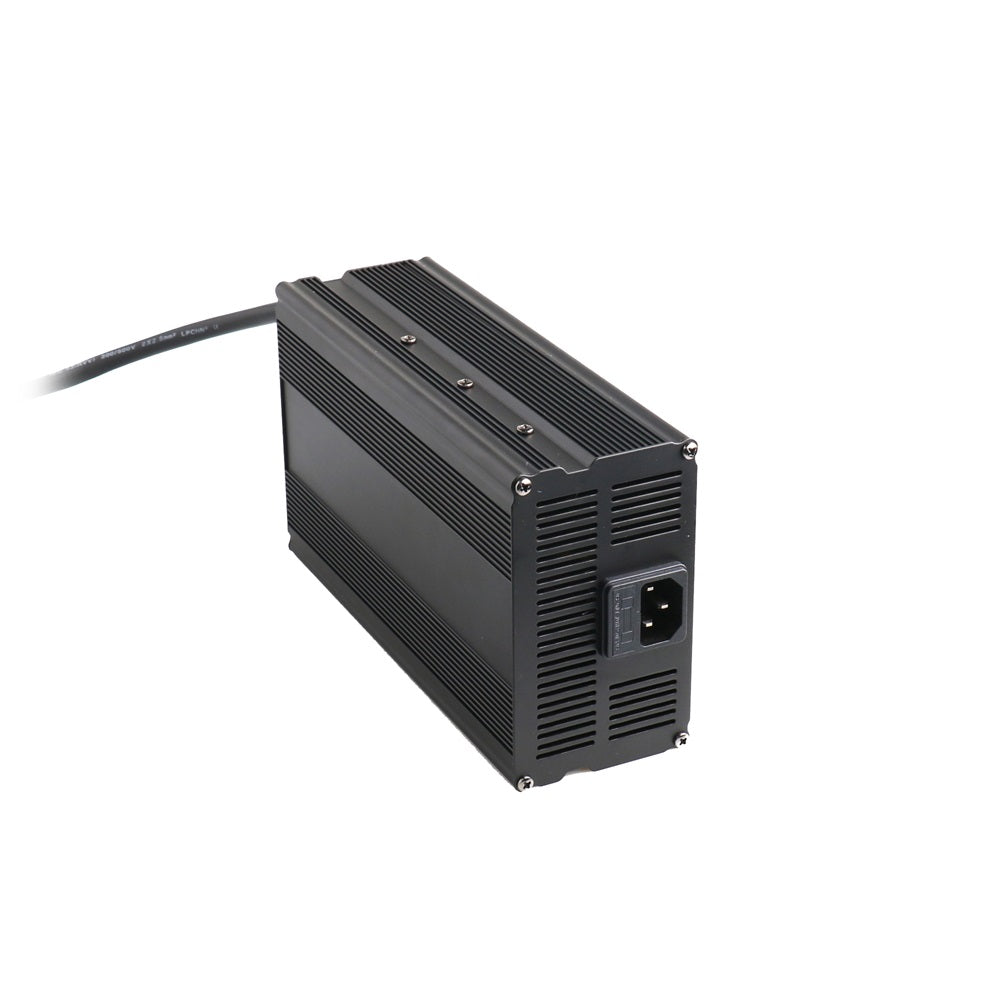

Lithium Iron Phosphate (LiFePO4) Batteries Do Not Go Bad After 3000 Cycles
3,000 cycles isn't a death sentence—it's a milestone. Your LiFePO4 still has 80% capacity. Most 'failed' cells are killed by poor habits, not quality. Stop the abuse and make your battery last a de...
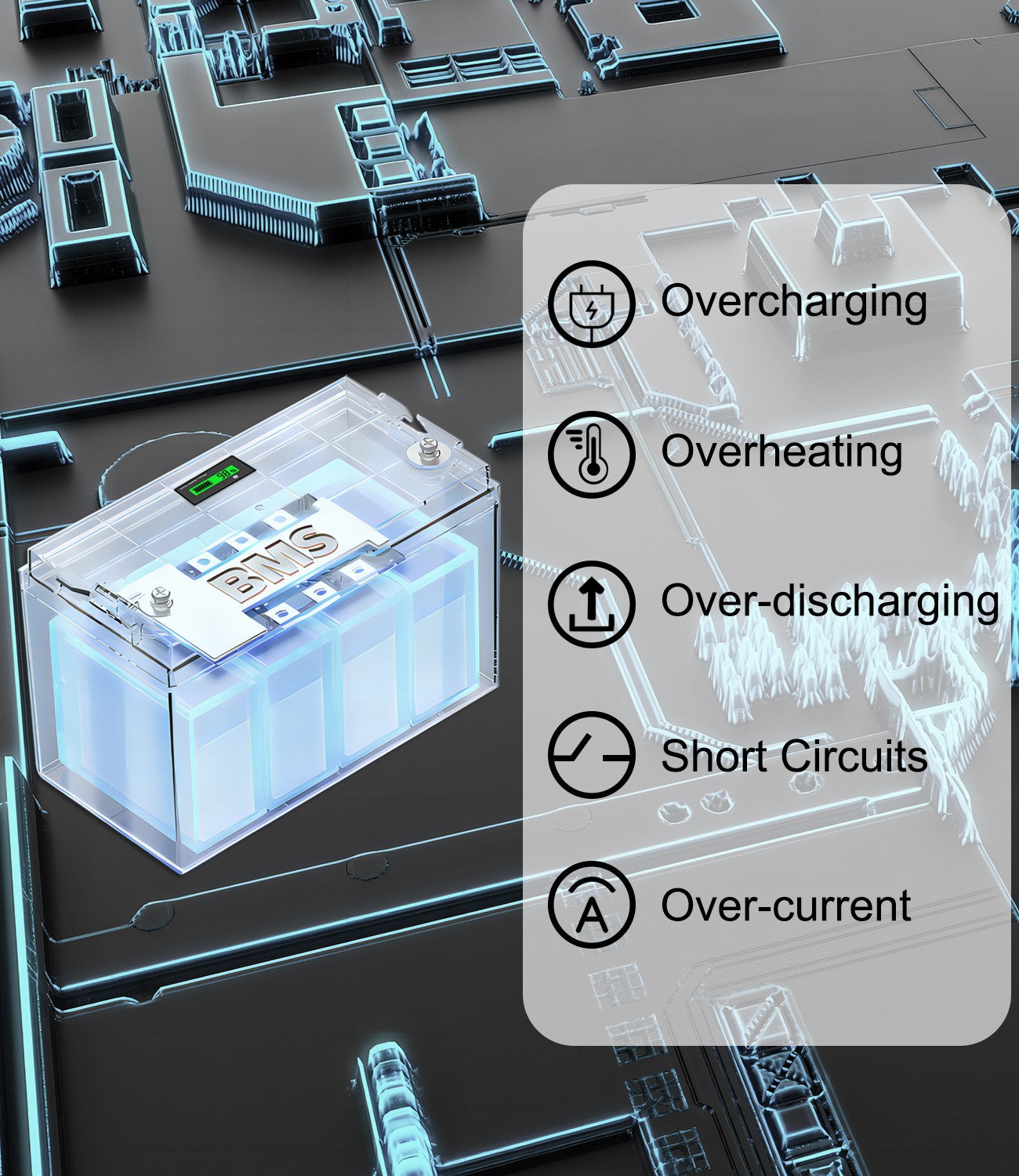
Charging Lithium Iron Phosphate (LiFePO4) Batteries: A Comprehensive Guide
LiFePO4 batteries rarely fail due to age; improper discharge often shortens their lifespan. Achieving 4,000+ cycles depends on correct C-rate limits. This guide explains how to calculate safe rates...

Are Li-ion Batteries Heavier than LiFePO4 Batteries?
Li-ion is lighter, but weight isn't the real issue. Most batteries die from abuse, not quality. If you want 4,000+ cycles and zero fire risk, LiFePO4 is the expert's pick. Here is the blunt truth o...

Why liFePO4, Why most RVs use sell
Van life is brutal on batteries, and most fail from heat, vibration, or simple user error. LiFePO4 is the only chemistry built to handle that abuse without catching fire. Get 4,000+ cycles and tota...

LiFePO4 Battery vs Li-ion Battery, Which is Safest?
From lead-acid gas to traditional Li-ion thermal runaway, battery risks often stem from abuse. Yet LiFePO4 is uniquely fire-resistant even if mismanaged. Here is the blunt truth on why it’s the saf...

What is the Full Form of LiFePO4 Batteries?
LiFePO4 means Lithium Iron Phosphate, but its real power is the P-O covalent bond. While batteries die from abuse, this structure prevents fire even under stress. Here is the blunt logic behind the...
Best Sellers