

Contemporary boating is based on the stability of power. Whether you are turning on the starter switch, trolling motors, fish finders, lights, or onboard electronics, your battery system is essential. Lithium-ion batteries have emerged as a popular option among marine batteries in recent years, where owners of boats need enhanced performance and life as well as increased safety. LiFePO4 is abbreviated as Lithium Iron Phosphate. It is a specific lithium battery type, which is stable, durable, and efficient.
What Is a LiFePO4 Marine Battery?
LiFePO4 marine battery is a rechargeable lithium battery that is made to operate in marine environments. It uses lithium iron phosphate as the cathode material, making it safer and more stable than other lithium batteries.
The uses of these batteries include:
- Trolling motors
- House power systems
- Navigation electronics
- Livewells and lighting
- Starting engines (with marine-rated models
LiFePO4 technology, both LiFePO4 trolling motor batteries and LiFePO4 cranking batteries, provides reliable performance in the water, whether on long fishing days or under boat engines.
1. Much Longer Lifespan Than Traditional Marine Batteries
LiFePO4 marine batteries have one of the greatest benefits in terms of their lifespan.
- Lead-acid batteries usually last 2–4 years
- AGM batteries often last 3–5 years.
- LiFePO4 marine batteries can last 8–12 years or more.
The majority of LiFePO4 batteries have 3,000 to 6,000 charge cycles. A charge cycle refers to the use of a battery and its recharging. These batteries retain a large percentage of their initial capacity even after thousands of times. This long life results in reduced replacements, lower long-term expenditure, and more reliable boating seasons.
2. Lightweight Design Improves Boat Performance
Weight matters on a boat. The presence of heavy batteries decreases speed, consumes more fuel, and affects handling.
LiFePO4 marine batteries weigh up to 60 70% lower than lead-acid batteries of the same size.
The advantages of lighter batteries are:
- Improved boat speed and maneuverability
- Better fuel efficiency
- Easier installation and transport
- Reduced strain on the hull
According to the angling community, a LiFePO4 trolling motor battery of smaller weight will offer them greater control and increased run time without the addition of unwarranted weight.
3. Consistent Power Output from Start to Finish
The conventional batteries dissipate their voltage gradually. This makes electronics dark and trolling motors weak in the long run.
LiFePO4 marine batteries provide constant voltage during most of the discharge cycle.
This means:
- Trolling motors run at full power longer
- Fish finders and GPS units stay accurate
- Pumps and lights perform consistently
- Engine electronics receive stable power
Stable power, whether offshore or on a calm lake, is going to enhance the performance and safety.
4. Faster Charging Saves Time and Increases Water Time
Another important advantage is the charging speed. The LiFePO4 marine batteries are charged much more quickly than lead-acid batteries.
Advantages include:
- Reduced downtime between trips
- More efficient use of onboard chargers
- Better compatibility with solar systems
- Quick recovery after deep discharges
Most LiFePO4 batteries have the capability of charging up to 100 percent in less time than the old marine batteries. This is particularly beneficial to charter operators and frequent boaters who require power that is dependable on a daily basis.
5. Deep Discharge Without Damage
Lead-acid batteries should not be discharged below 50% to protect their lifespan. LiFePO4 marine batteries can safely discharge to 80–100% without harming the cells. This means you can use more of the battery’s stored energy every trip. A 100Ah LiFePO4 battery often provides more usable power than a 100Ah lead-acid battery.
For trolling motors, this allows longer fishing days without worrying about damaging your battery system.
6. High Safety and Thermal Stability
Safety is critical in marine environments. LiFePO4 batteries are known for being one of the safest lithium chemistries available.
They offer:
- High resistance to overheating
- Low risk of thermal runaway
- Built-in Battery Management Systems (BMS)
- Protection from overcharge, over-discharge, and short circuits
Marine-rated LiFePO4 batteries are sealed, vibration-resistant, and designed to perform reliably in rough conditions. When choosing a lithium cranking battery for boat engines, safety certifications and integrated protection systems are especially important.
7. Excellent Performance for Trolling Motors
A LiFePO4 trolling motor battery is one of the most popular marine applications. These batteries are ideal for trolling motors because they:
- Deliver steady thrust throughout the day
- Support high continuous discharge rates
- Recharge quickly overnight
- Operate efficiently even under heavy loads
Many anglers report noticeable improvements in boat control, motor response, and overall fishing efficiency after switching to LiFePO4 technology.
8. Reliable Engine Starting with Lithium Cranking Batteries
Not all lithium batteries are made to start engines. A proper lithium cranking battery for boat use is designed to deliver high bursts of current required to start marine engines.
Key advantages include:
- Fast, powerful starting performance
- Lightweight alternative to traditional starter batteries
- Quick recharge after engine start
- Long service life with minimal maintenance
Many boat owners now use a lithium cranking battery alongside a LiFePO4 house or trolling system for a complete modern power solution.
9. Low Maintenance and Clean Operation
LiFePO4 marine batteries require almost no maintenance. There is:
- No acid to check or refill
- No corrosion from battery gases
- No memory effect
- No regular equalization charging
They are sealed units, making them cleaner and easier to manage than flooded lead-acid batteries. This is especially useful for enclosed battery compartments.
10. Environmentally Friendlier Choice
LiFePO4 batteries are considered more environmentally responsible than traditional marine batteries.
They offer:
- Longer life, reducing waste
- No toxic lead or acid
- Higher energy efficiency
- Better recycling potential
For eco-conscious boat owners, LiFePO4 is a smart long-term investment.
Choosing the Right LiFePO4 Marine Battery
Before buying, consider:
- Battery capacity (Ah rating)
- Voltage needs (12V, 24V, 36V systems)
- Discharge rate compatibility
- Charger compatibility
- Waterproof and vibration-resistant design
- Marine certifications and warranties
Always select batteries specifically labeled for marine use and confirm they are compatible with your boat’s electrical system.
Installation and Charging Tips
- Use marine-grade wiring and connectors
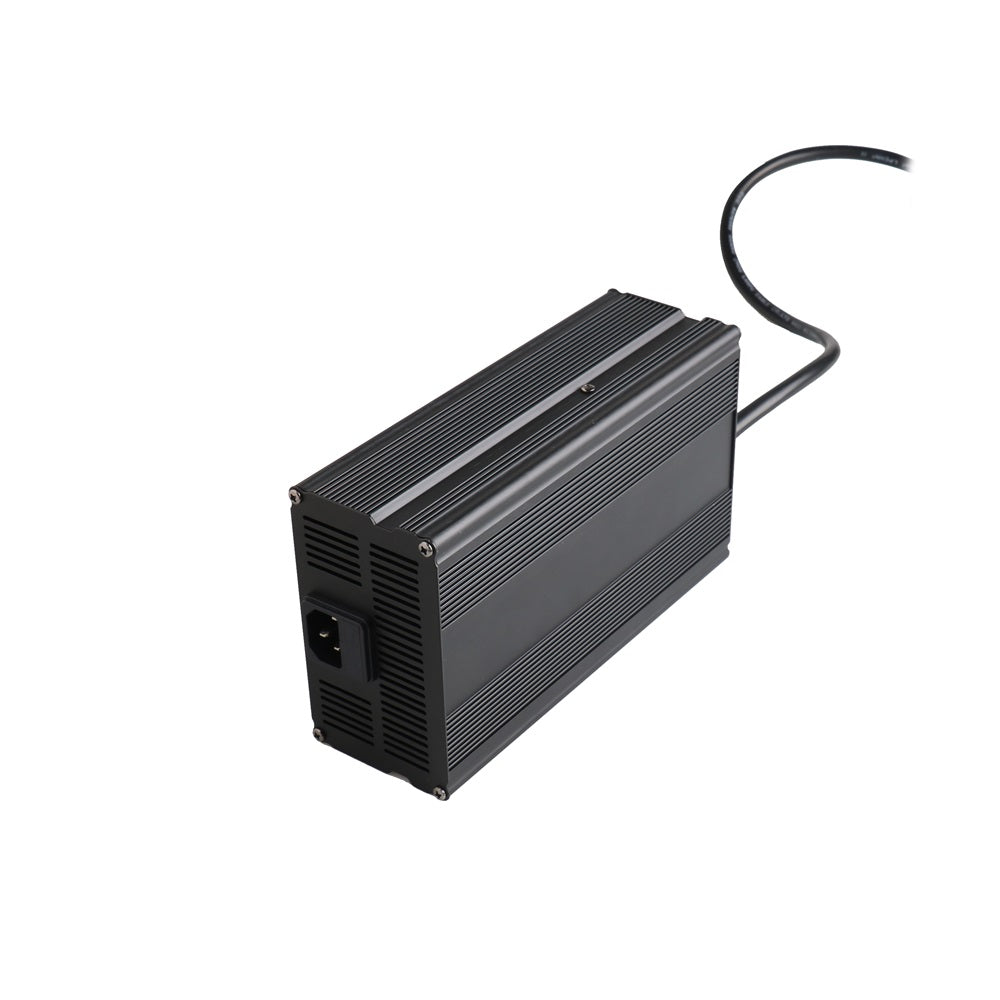
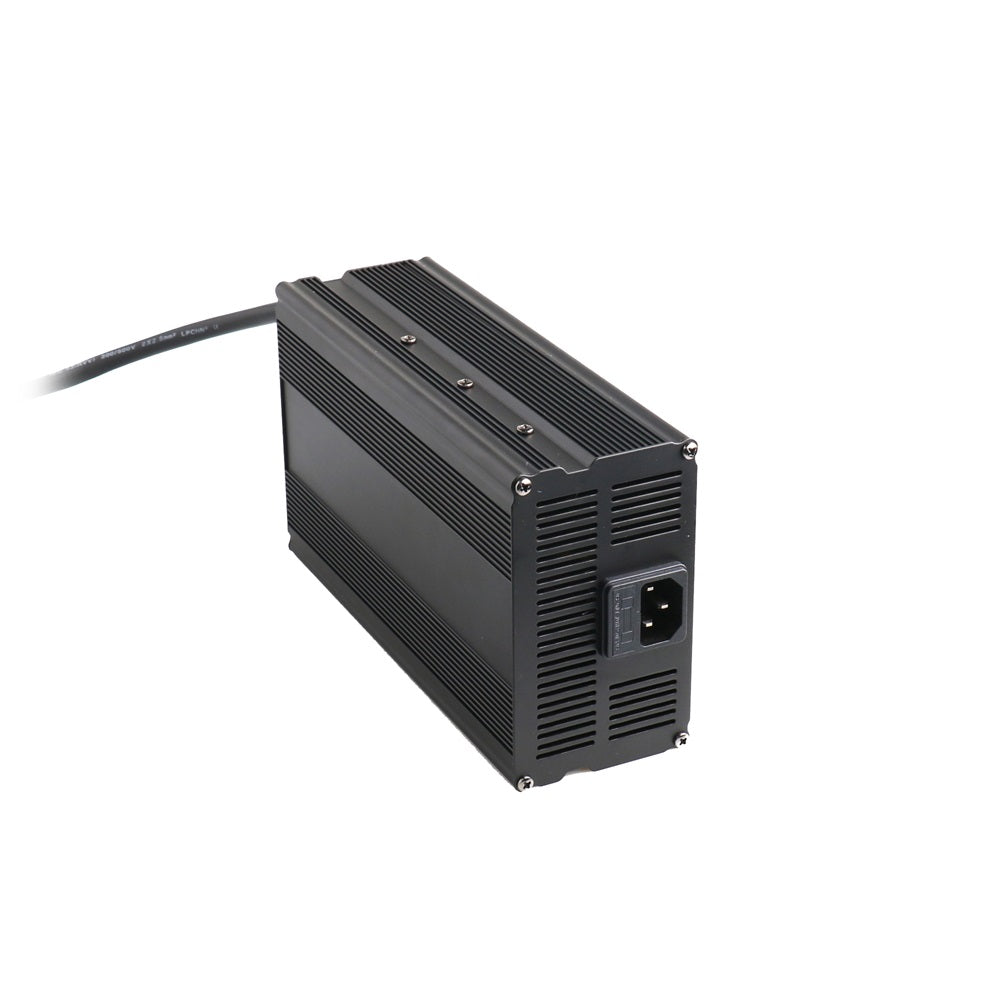
- Ensure your charger supports lithium batteries
- Secure batteries to prevent movement
- Keep batteries away from extreme heat
- Follow the manufacturer's installation instructions
Proper setup ensures safety, efficiency, and long battery life.
Why Boat Owners Are Making the Switch
Boat owners are choosing LiFePO4 marine batteries because they deliver:
- Reliable long-term value
- Better boating performance
- Reduced maintenance needs
- Consistent, dependable power
- Advanced safety features
Whether powering electronics, running a trolling motor, or starting engines, LiFePO4 technology is reshaping marine energy systems.
Final Thoughts
LiFePO4 marine batteries represent a significant upgrade over traditional marine battery technology. They are lighter, stronger, safer, and built to last. From recreational boaters to serious anglers, more people are discovering how a LiFePO4 trolling motor battery or a lithium cranking battery for boat use can improve performance, reliability, and peace of mind on the water. By investing in LiFePO4 marine batteries, boat owners gain efficient power systems that support longer trips, better control, and fewer battery problems year after year.
FAQs
1. Are LiFePO4 marine batteries safe for boats?
Yes. LiFePO4 batteries are one of the safest lithium battery types. Marine models include built-in protection systems and are designed to handle vibration, moisture, and changing temperatures.
2. Can I use a LiFePO4 battery for my trolling motor?
Absolutely. A LiFePO4 trolling motor battery is ideal because it provides steady power, deep discharge capability, and extended runtime.
3. Do I need a special charger for LiFePO4 marine batteries?
Yes. You should use a lithium-compatible marine charger. This ensures proper charging and protects battery health.
4. Is a lithium cranking battery strong enough to start a boat engine?
Yes, if it is designed explicitly as a lithium cranking battery for boat engines. These batteries deliver high starting current and fast recovery.
5. Are LiFePO4 marine batteries worth the higher upfront cost?
For most boat owners, yes. Their long lifespan, reduced maintenance, lighter weight, and higher usable capacity make them more cost-effective over time.
6. Can LiFePO4 marine batteries be used in saltwater environments?
Yes. Marine-rated LiFePO4 batteries are sealed and corrosion-resistant, making them suitable for both freshwater and saltwater boats.
7. How long does a LiFePO4 marine battery take to charge fully?
Most LiFePO4 marine batteries can reach full charge in 2–4 hours with a compatible lithium charger. Charging time depends on battery size, charger output, and the depth of discharge.
8. Can I replace my lead-acid battery directly with a LiFePO4 battery?
In many cases, yes. LiFePO4 batteries are often designed as “drop-in” replacements. However, you should confirm charger compatibility, system voltage, and whether your application requires a dedicated lithium cranking battery for boat engines.

Leave a comment
This site is protected by hCaptcha and the hCaptcha Privacy Policy and Terms of Service apply.